Voice Commerce and AI Shopping Assistants: The Next Frontier for Fashion Brands
Voice-enabled shopping and AI assistants are reshaping how consumers discover and purchase fashion. Early movers are seeing 3x higher conversion rates. Here's the playbook.
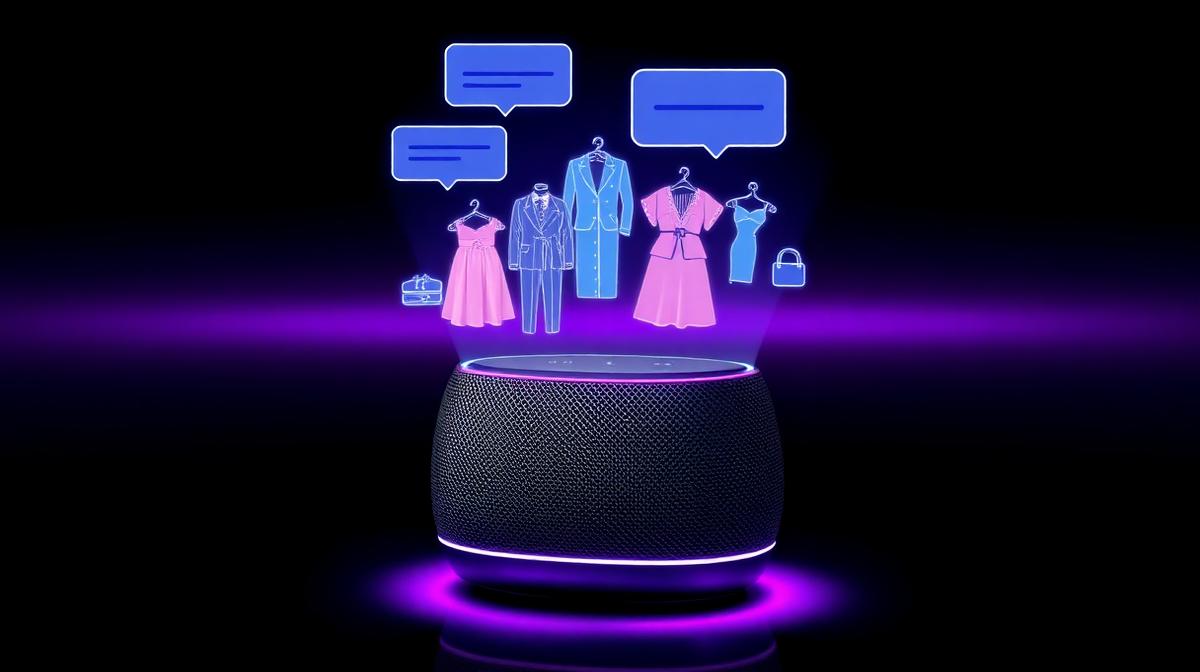
The Rise of Conversational Commerce
By 2026, 40% of online shoppers have used voice or AI chat to browse, compare, or purchase fashion items. This isn't a novelty—it's a fundamental shift in how consumers interact with brands.
Key statistics: - AI shopping assistant interactions increased 280% year-over-year - Voice commerce in fashion grew from $2B to $8.5B in 18 months - Brands with conversational commerce see 3.2x higher conversion rates - Average order value through AI assistants is 22% higher than traditional browse
How AI Shopping Assistants Work in Fashion
Style Profiling The assistant learns preferences through conversation: preferred silhouettes, color palettes, price ranges, occasions, and size information. This creates a dynamic style profile that improves with every interaction.
Contextual Recommendations Unlike static recommendation engines, AI assistants understand context: "I need something for a beach wedding in June" generates fundamentally different results than "I need a casual Friday outfit."
Visual Search Integration Customers can share images—from social media, street style, or their own closet—and the AI assistant finds matching or complementary items from your catalog.
Building Your Voice Commerce Strategy
1. Start With Customer Service Deploy AI assistants for sizing questions, order tracking, and returns. This builds customer comfort with the technology while reducing support costs.
2. Add Styling Recommendations Once customers trust the assistant for service, introduce styling suggestions. "Based on your recent purchase of the navy blazer, here are three pieces that complete the look."
3. Enable Transactional Commerce The final step: let customers purchase through the assistant. Voice-enabled reordering and AI-curated collections drive the highest conversion rates.
The Data Advantage
Every AI assistant interaction generates rich first-party data: - Style preferences expressed in natural language - Purchase intent signals before they reach your website - Sizing and fit feedback that improves product recommendations - Occasion-based shopping patterns
This data is gold for personalization, inventory planning, and product development.
Privacy and Trust Considerations
Customers will share intimate style preferences with AI assistants—but only if they trust you. Transparent data policies, easy opt-out mechanisms, and genuine value exchange are non-negotiable.
Getting Started: The 90-Day Plan
- •Days 1-30: Implement AI chat for customer service on your website
- •Days 31-60: Add product recommendation capabilities
- •Days 61-90: Launch voice-enabled features and measure conversion impact
The brands that master conversational commerce will own the customer relationship. Everyone else will be competing on price.
Ready to Turn These Insights Into P&L Results?
PMC doesn't just write about growth—we contract it. See what KPI-contracted growth looks like for your brand.
Get Your Quote