The Phygital Playbook: Why Your DTC Brand Needs Physical Touchpoints
The DTC brands scaling past $15M all have one thing in common: they've added physical experiences. Here's the phygital framework that drives 3x CLTV.
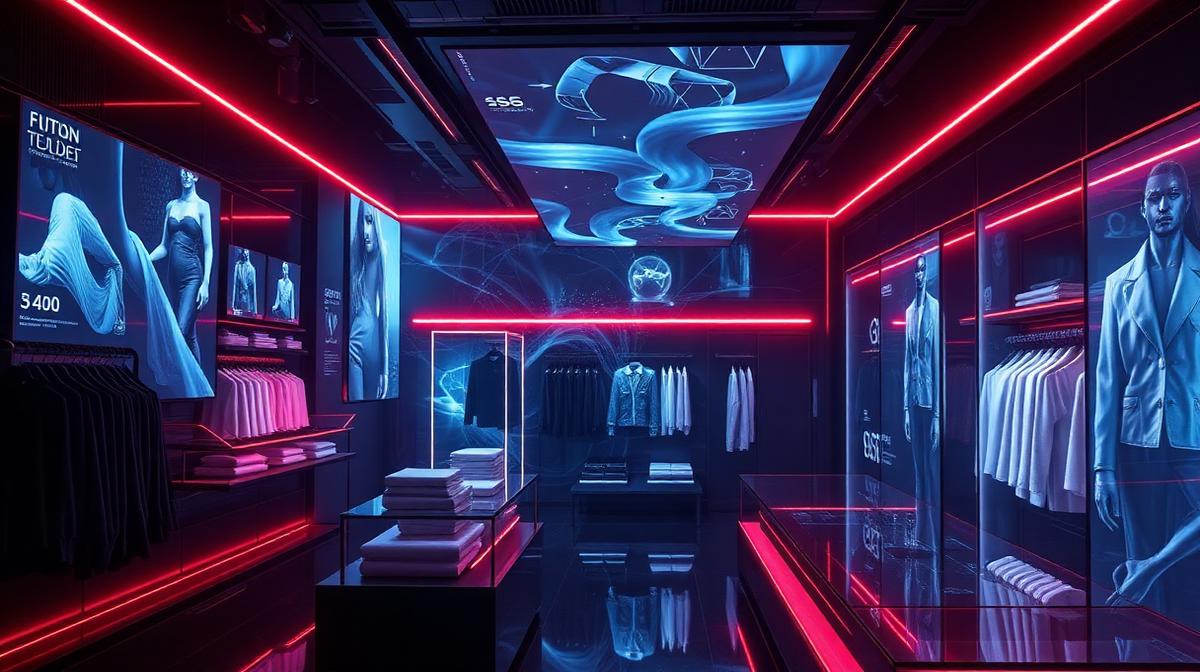
The DTC Ceiling Is Real—And It's Physical
Every DTC fashion and beauty brand hits a growth ceiling between $10M and $15M. The symptoms are always the same: rising CAC, flattening repeat rates, and a brand that feels increasingly commoditized in a sea of Instagram ads.
The brands that break through share one strategy: they get physical.
Not necessarily with permanent retail. But with physical touchpoints that transform digital customers into brand believers.
What "Phygital" Actually Means in 2026
Phygital isn't a buzzword—it's a strategy. It means deliberately designing physical and digital experiences that amplify each other.
Physical → Digital amplification: - Pop-up events that generate UGC which feeds social algorithms - In-store experiences that capture zero-party data for personalization - Product packaging that drives app downloads and community membership
Digital → Physical amplification: - AR try-on experiences that reduce return rates by 25-35% - Location-based mobile triggers near retail partners - Digital loyalty programs that unlock physical experiences
The 4-Tier Phygital Framework
Tier 1: Packaging as Media (Investment: Low) Your packaging is the one physical touchpoint every customer has. Make it count. QR codes to styling content. Inserts that tell a story. Unboxing experiences worth filming.
Impact: 15-20% increase in social sharing, 10% improvement in repeat rate
Tier 2: Pop-Up Experiences (Investment: Medium) Strategic pop-ups in key markets. Not stores—experiences. Think: a beauty brand hosting skin analysis events, or a fashion brand creating a personal styling studio for a weekend.
Impact: 3x higher CLTV for pop-up acquired customers vs. digital-only
Tier 3: Wholesale Partnerships (Investment: Medium-High) Selective wholesale with partners who enhance your brand. Not mass distribution—curated presence in retailers that serve your ideal customer.
Impact: 40% of wholesale-acquired customers become DTC repeat buyers within 6 months
Tier 4: Owned Retail (Investment: High) Flagship or concept stores in markets where you have proven demand density. This is for brands at $20M+ with clear geographic customer clusters.
Impact: Stores with integrated digital experiences see 2.5x the revenue per square foot of traditional retail
The Data Bridge
The biggest mistake brands make with phygital strategy is treating physical and digital as separate data silos. Every physical touchpoint must feed your customer data platform.
- •Event attendance should trigger personalized email sequences
- •In-store purchases should update digital customer profiles
- •Product trials should inform retargeting creative
When the data flows freely, you can measure true omnichannel CLTV—and that's where the magic happens.
Building Your Phygital Roadmap
Start with Tier 1 (everyone can improve their packaging). Test Tier 2 in your top 2-3 markets. Graduate to Tiers 3 and 4 based on data, not ambition.
The brands that build phygital infrastructure don't just grow revenue. They build defensible moats that pure-DTC competitors can't replicate. And in a market where every brand has access to the same Meta targeting tools, defensibility is everything.
Ready to Turn These Insights Into P&L Results?
PMC doesn't just write about growth—we contract it. See what KPI-contracted growth looks like for your brand.
Get Your Quote