The Rise of Fashion Gaming Collaborations: Why Brands Are Building Virtual Wardrobes
Gaming collaborations generated $1.2B for fashion brands in 2025. Virtual clothing, in-game stores, and gaming aesthetics are creating a new revenue category. Here's how to enter the space.
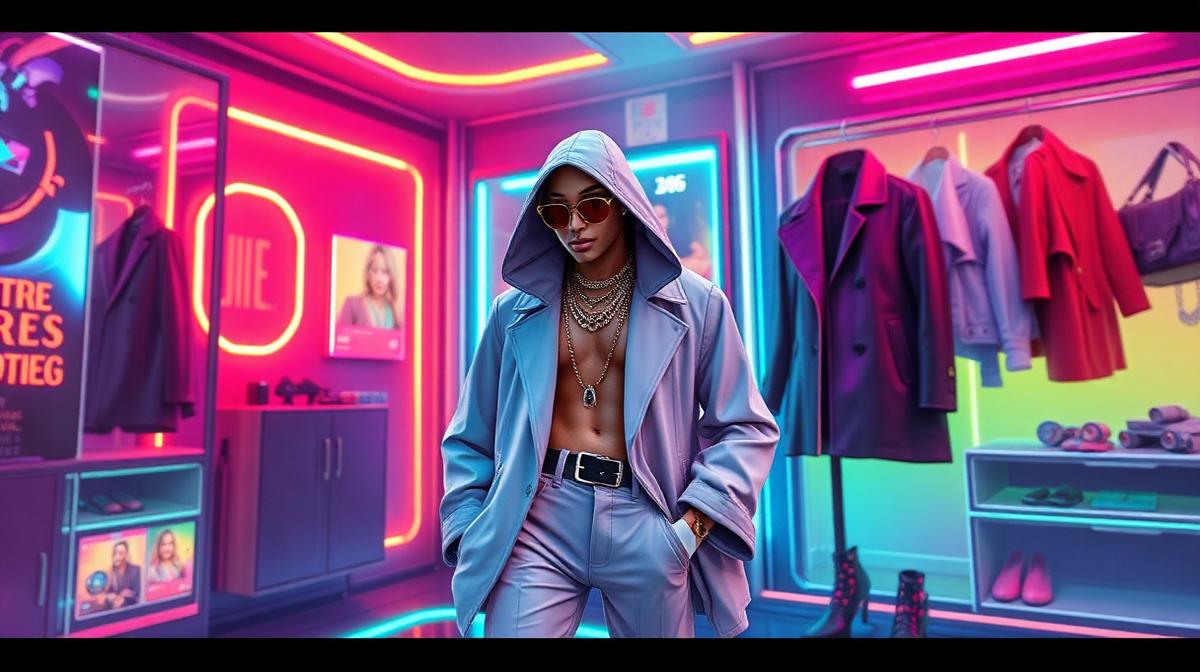
Fashion Meets Gaming: A $1.2 Billion Opportunity
In 2025, fashion brands generated $1.2B through gaming collaborations—up from $200M in 2022. This isn't a novelty play. It's a strategic channel reaching demographics that traditional fashion marketing can't.
The audience: - 3.3 billion global gamers - Average age: 31 (not the teenagers brands assume) - 48% female - Average household income: $75K (higher than general population) - 65% of gamers say they've purchased physical products based on in-game discoveries
Types of Fashion-Gaming Collaborations
1. Virtual Clothing (Digital Skins) Brands design clothing for game characters. Players purchase outfits (skins) using in-game currency or real money.
Examples and economics: - Average virtual outfit price: $5-25 - Top-selling skins generate $10M+ in revenue - Production cost: $5K-50K per outfit (vs. $50K-500K for physical) - Margin: 90%+ (no manufacturing, no inventory, no shipping)
2. In-Game Brand Experiences Branded spaces within games where players can explore, shop, and interact with the brand.
- •Virtual stores in Roblox or Fortnite
- •Branded challenges and quests
- •Virtual fashion shows within game environments
- •Interactive brand storytelling
3. Physical-Virtual Bundles Purchase a physical product, unlock a virtual equivalent. Or buy a virtual item and receive a discount on the physical version.
This phygital bridge strategy drives sales in both worlds: - Virtual-to-physical conversion: 8-15% - Physical-to-virtual engagement: 25-40%
4. Gaming Aesthetic Collections Design physical collections inspired by gaming culture: bold colors, oversized fits, tech-inspired details, and limited-edition drops that mirror gaming release strategies.
The Strategic Value Beyond Revenue
Brand Awareness Among Young Consumers Gamers aged 16-25 spend more time in games than on social media. If your brand isn't in gaming, you're invisible to a significant segment of future customers.
Content Generation Gaming collaborations generate massive amounts of user-created content. Players share outfits, create styling videos, and showcase brands organically within gaming communities.
Data and Engagement In-game interactions provide behavioral data unavailable through traditional channels: style preferences, social dynamics, spending patterns, and engagement depth.
Getting Started: The Entry Ramp
Tier 1: Low Investment ($10K-50K) - Create branded items for Roblox or Fortnite - Partner with gaming influencers for brand awareness - Sponsor esports events or gaming content creators
Tier 2: Medium Investment ($50K-200K) - Build a branded experience in a major gaming platform - Launch a physical-virtual bundle product - Create a gaming-inspired capsule collection
Tier 3: High Investment ($200K-1M+) - Develop a custom in-game brand world - Launch a sustained virtual clothing line with seasonal updates - Create a phygital loyalty program connecting gaming and commerce
Measuring Success
| Metric | Target |
|---|---|
| Virtual item sales | Revenue and units |
| Physical conversion from gaming | 8-15% of virtual buyers |
| Brand awareness lift | Survey-based, pre/post |
| UGC generated | Volume and engagement |
| New customer acquisition | CPA vs. traditional channels |
The Bottom Line
Fashion gaming isn't about chasing trends—it's about meeting consumers where they spend their time and money. The brands that build genuine gaming presence now will own the channel before their competitors arrive.
Ready to Turn These Insights Into P&L Results?
PMC doesn't just write about growth—we contract it. See what KPI-contracted growth looks like for your brand.
Get Your Quote