Clienteling 2.0: Unify In-Store & Digital for Fashion Retail
Discover how to revolutionize fashion retail with Clienteling 2.0. Merge in-store insights with your digital CRM for hyper-personalized customer experiences and boosted sales.
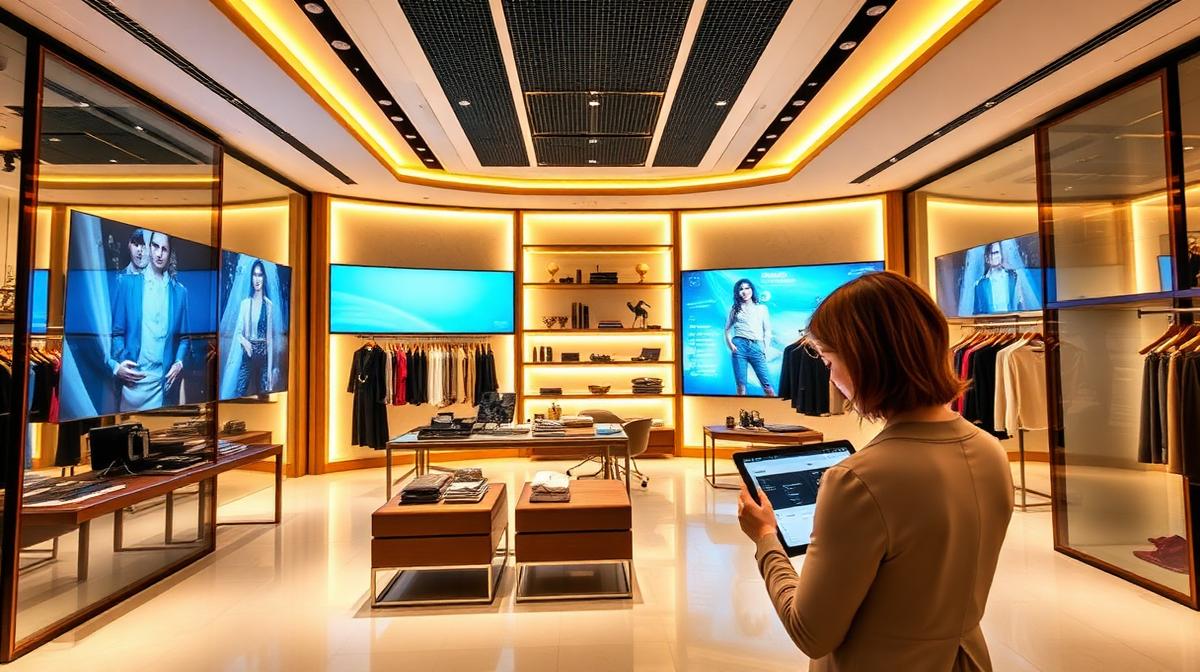
The Evolution of Customer Connection: Clienteling 2.0 in Fashion Retail
For too long, the magic of in-store personal shopping felt disconnected from the digital realm. Associates knew regulars by name, remembered their preferences, and offered tailored recommendations. This intimate, data-rich interaction was the epitome of clienteling. But in today's omnichannel world, this valuable insight often remained siloed, failing to inform online experiences or reach customers beyond the physical store.
Welcome to Clienteling 2.0. This isn't just about adopting a new tool; it's a fundamental shift in how fashion and beauty brands engage with their customers. It's about seamlessly merging the rich, qualitative data gleaned from in-store interactions with the quantitative power of your digital Customer Relationship Management (CRM) system. For CMOs of fashion, beauty, and lifestyle brands with revenues between $5M and $25M, understanding and implementing this evolution is no longer optional – it's essential for survival and growth.
Why Clienteling 2.0 is a Game-Changer for Fashion Retail
The traditional fashion retail landscape often operated in distinct channels. Online shoppers received standardized emails and generic product suggestions, while in-store customers benefited from human touch but lacked a consistent digital follow-up. This created fragmented experiences, missed opportunities, and an incomplete understanding of the customer journey.
Clienteling 2.0 bridges this divide. By integrating real-time in-store data – such as purchase history, item preferences, fitting room interactions, and even body shape or style advice given by associates – with your central digital CRM, you unlock a 360-degree view of each customer. This comprehensive perspective allows for:
* Hyper-Personalization at Scale: Move beyond basic segmentation. Understand individual preferences, style evolution, and purchasing triggers to deliver truly personalized recommendations, content, and offers across all touchpoints. * Enhanced Customer Loyalty: When customers feel understood and valued across every interaction, their loyalty deepens. Clienteling 2.0 empowers associates and digital platforms to anticipate needs and provide exceptional, consistent service. * Increased Sales and Conversion Rates: By offering the right product, to the right person, at the right time, through the right channel, you significantly boost conversion rates and average order value. * Optimized Inventory and Merchandising: Insights from in-store preferences can inform online product placement, marketing campaigns, and even future purchasing decisions, leading to smarter inventory management. * Empowered Store Associates: Equip your frontline team with the data and tools they need to act as true brand ambassadors and trusted style advisors, not just transactional points.
The Pillars of a Successful Clienteling 2.0 Strategy
Implementing Clienteling 2.0 requires a strategic approach that focuses on technology, data, people, and process. Here’s how CMOs can lay the groundwork for success:
#### 1. Intelligent Technology Integration
This is the lynchpin of Clienteling 2.0. You need a CRM system that can ingest and process data from various sources, including:
* Point of Sale (POS) Systems: Capture every in-store transaction, including items purchased, returns, and any associated loyalty program information. * E-commerce Platforms: Track online browsing behavior, wishlists, abandoned carts, and direct purchases. * Mobile Apps: Monitor push notification engagement, in-app purchases, and loyalty status. * Clienteling Software/Modules: Specialized tools that allow associates to record detailed customer notes, preferences, and interaction history directly on the sales floor, often via tablets or mobile devices. * Customer Service Interactions: Integrate data from email, chat, and phone support.
Actionable Advice: Invest in a CRM that offers robust APIs and integration capabilities. Prioritize platforms that provide a unified customer profile, allowing you to see a complete history across all channels. Consider a phased approach, starting with integrating your POS and e-commerce data, then layering in mobile and direct associate input.
#### 2. Data Unification and Enrichment
Raw data is only valuable if it's clean, consistent, and actionable. The goal is to create a single source of truth for each customer. This involves:
* Data Standardization: Ensure that customer data, product information, and transaction details are formatted consistently across all systems. * Data Cleansing: Regularly identify and rectify duplicate records, incomplete profiles, and inaccurate information. * Data Appending: Enrich existing customer profiles with third-party data or predictive analytics where appropriate (while respecting privacy regulations). * Customer Identity Resolution: Develop robust methods for matching identities across anonymous online browsing and known purchasing behavior, and between in-store and online interactions.
Actionable Advice: Establish clear data governance policies. Implement a Master Data Management (MDM) strategy specifically for customer data. Utilize AI-powered tools for data deduplication and enrichment to streamline this process. Ensure strict adherence to privacy regulations like GDPR and CCPA.
#### 3. Empowering Your Frontline Teams
Your store associates are the secret weapon of Clienteling 2.0. They are the direct link to the customer in the physical space. Equip them with the right tools and training:
* Mobile Clienteling Tools: Provide tablets or mobile devices with access to customer profiles, purchase history, preferences, and inventory information. * Personalized Recommendations: Train associates on how to use the data to offer tailored suggestions, fitting room assistance, and styling advice. * Proactive Outreach Capabilities: Enable associates to send personalized follow-up messages (e.g., "We received your new favorite brand in stock!") via email or SMS, powered by CRM triggers. * Incentives and Recognition: Motivate associates to actively use the tools and engage with customers, perhaps through performance metrics tied to clienteling activities.
Actionable Advice: Conduct comprehensive training sessions focusing on both the technical use of the CRM tools and the art of consultative selling based on data. Encourage a culture where sharing customer insights is valued. Pilot new tools with a select group of associates first to gather feedback and refine processes.
#### 4. Orchestrating the Customer Journey
Clienteling 2.0 allows you to design and automate personalized customer journeys across all touchpoints. This means:
* Triggered Communications: Automatically send relevant emails or SMS messages based on in-store actions (e.g., a thank-you note after a purchase, a notification when a wishlisted item goes on sale). * Consistent Messaging: Ensure that marketing messages, promotions, and brand voice are consistent whether a customer is interacting online, via email, or in-store. * Seamless Omnichannel Experiences: Allow customers to start a purchase online and finish it in-store, or vice-versa, with all relevant data seamlessly transferred. * Post-Purchase Engagement: Leverage transaction data to suggest complementary items, offer care instructions, or invite customers to loyalty programs.
Actionable Advice: Map out key customer journeys and identify the critical moments where personalized interactions can make a difference. Utilize marketing automation platforms that integrate deeply with your CRM to execute these journeys effectively. A/B test different communication strategies to continuously optimize.
The Future is Unified: A Call to Action
For fashion and beauty brands operating in the $5M-$25M revenue bracket, the competitive landscape demands a deeper, more personalized connection with customers. Siloed data and fragmented experiences are no longer sustainable. Clienteling 2.0 offers a powerful solution, transforming your CRM from a backend system into a dynamic engine for customer engagement and sales growth.
By investing in the right technology, prioritizing data quality, empowering your teams, and strategically orchestrating customer journeys, you can unlock unprecedented levels of customer loyalty and drive significant revenue increases.
Don't let valuable in-store insights go to waste. It's time to embrace Clienteling 2.0 and build a truly unified, data-driven customer experience that sets your brand apart.
Ready to elevate your customer relationships? Contact us today to learn how our [Your Service/Product Name] can help you implement a winning Clienteling 2.0 strategy and achieve your growth targets.
Ready to Turn These Insights Into P&L Results?
PMC doesn't just write about growth—we contract it. See what KPI-contracted growth looks like for your brand.
Get Your Quote