Blockchain Authentication: How Luxury Fashion Is Fighting Counterfeits With Digital Passports
Counterfeiting costs the fashion industry $50B annually. Blockchain-based digital product passports are the first technology that can actually solve it—while creating new revenue streams.
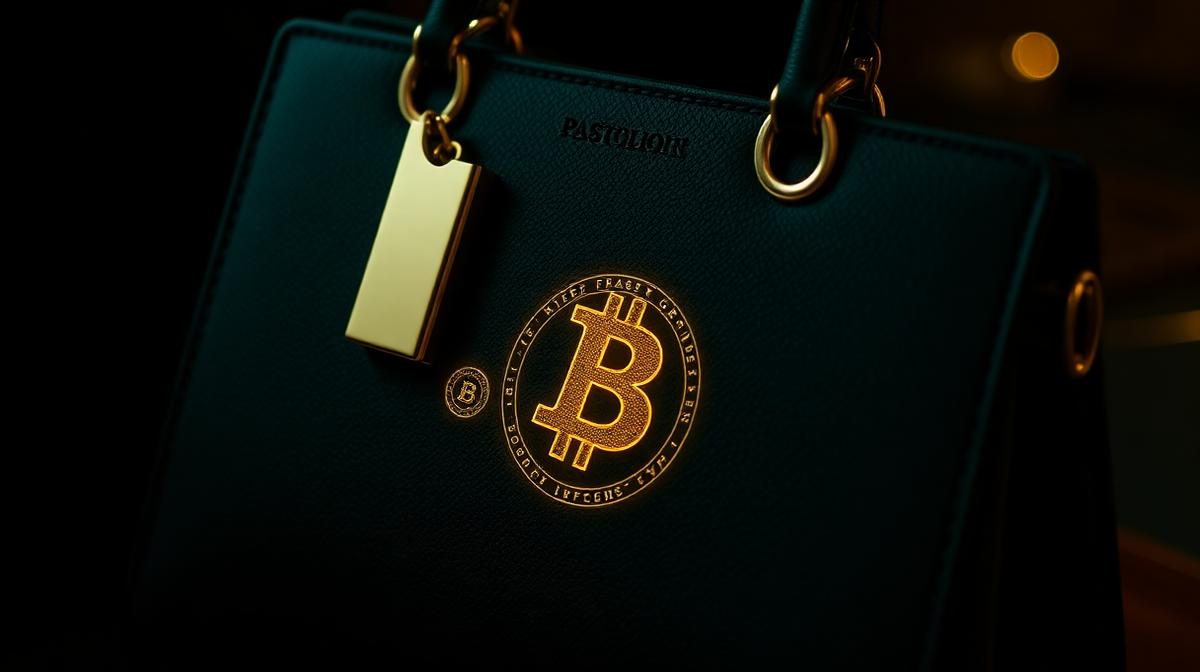
The $50 Billion Counterfeit Problem
Counterfeiting isn't just a luxury brand problem—it erodes trust across the entire fashion industry. Traditional anti-counterfeiting measures (holograms, serial numbers, certificates) are easily replicated. Blockchain changes the game.
How Digital Product Passports Work
Each physical product is paired with a unique digital token stored on the blockchain. This token contains:
- •Provenance: Where materials were sourced, where the garment was manufactured
- •Authenticity: Verified by the brand at point of production
- •Ownership history: Every transfer of ownership is recorded
- •Care instructions: Dynamic, personalized care guidance
- •Sustainability data: Carbon footprint, water usage, labor conditions
When a customer purchases the product, the digital passport transfers to their wallet. When they resell it, the passport transfers to the new owner—maintaining an unbroken chain of authenticity.
Beyond Anti-Counterfeiting: New Revenue Streams
1. Resale Royalties Brands can embed smart contracts that generate a royalty (typically 5-10%) every time a product is resold. For luxury brands, this transforms the secondary market from a threat into a revenue stream.
2. Exclusive Access Digital passport holders can unlock exclusive content, early access to new collections, and VIP event invitations. This turns product ownership into community membership.
3. Insurance and Warranty Authenticated products can be insured at lower rates and carry extended warranties. Brands can offer premium warranty programs tied to the digital passport.
4. Sustainability Verification With increasing regulation around sustainability claims, blockchain-verified supply chain data provides legally defensible proof of environmental standards.
Implementation Roadmap
Phase 1: High-Value SKUs (Months 1-6) Start with your most counterfeited or highest-value items. Embed NFC chips linked to blockchain tokens. This limits initial investment while proving the concept.
Phase 2: Full Collection (Months 6-12) Expand to all products. Integrate digital passport creation into your manufacturing workflow. Train retail staff on passport transfer protocols.
Phase 3: Ecosystem Integration (Months 12-18) Connect digital passports to your loyalty program, CRM, and resale marketplace. This creates a unified customer experience across the product lifecycle.
The Consumer Experience
The best implementations make blockchain invisible. A customer taps their phone on the product's NFC tag, sees the authenticity verification, ownership history, and sustainability story—all in a beautiful branded interface. No crypto wallets, no technical complexity.
Cost Considerations
| Component | Cost Per Unit | Notes |
|---|---|---|
| NFC Chip | $0.50-$2.00 | Decreasing rapidly |
| Blockchain Token | $0.10-$0.50 | Depends on network |
| Platform Fee | $0.25-$1.00 | Monthly SaaS + per-unit |
| Total | $0.85-$3.50 | 1-3% of luxury price point |
For a luxury item retailing at $500+, the cost is negligible relative to the brand protection and revenue generation value.
The Bottom Line
Digital product passports aren't just anti-counterfeiting technology. They're a new operating system for the relationship between brands, products, and customers. Early adopters are building competitive moats that will be difficult to replicate.
Ready to Turn These Insights Into P&L Results?
PMC doesn't just write about growth—we contract it. See what KPI-contracted growth looks like for your brand.
Get Your Quote